

When it comes to starting a new habit, the timing isn’t as important as being mentally prepared. Whether you begin on January 1st or any other day, the key is to start when you’re ready and committed. This mental readiness will significantly boost your engagement and motivation.

I’ve explored numerous habit-tracking apps and tried a few myself. They’re all fun in different ways. A common feature among them is the use of streaks. While streaks can be motivating for some, they don’t work for me. If I break a streak, I lose interest in the app and am unlikely to return. Unfortunately, streaks are the most commonly used game element across these apps. That being said HabitBull, or Habit Tracker on Android, visualizes streaks on a calendar, highlighting successful days in green and missed days in pink. This approach acknowledges that life can interfere with streaks but still provides a positive and motivating overall view.
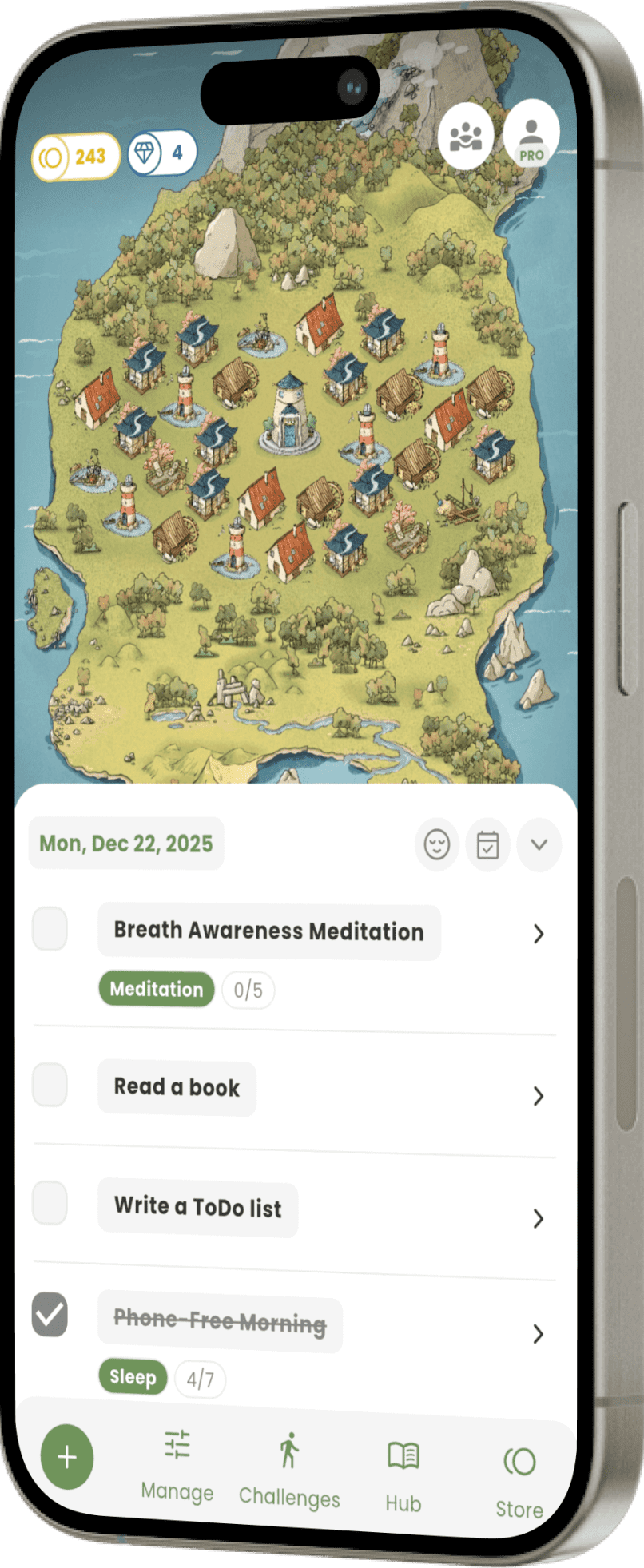
For those of you who find infinite streaks paralyzing rather than motivating, IsleGrow offers a refreshing alternative. Instead of a single, terrifyingly long chain that threatens to break, the app uses a “Monthly Chapter” mechanic: every day you complete habits, you add a building to your island, and when the month ends, that island is finished and you start a fresh one. This provides a natural, guilt-free “clean slate” twelve times a year. Shifting the focus from loss aversion to creative collection.
Another commonality is that these apps often encourage setting up multiple new habits simultaneously. Premium versions even start charging once you need five or more habits. A better onboarding process would be to start with one habit, succeed at it, and then unlock the ability to add more. This approach would help create the habit of forming new habits with minimal resistance. Many apps are overwhelming, with numerous features and goals, making it difficult to get started.
When evaluating habit-tracking apps, I look for those that not only track habits but also help create or replace them. Additionally, I value apps that incorporate reward stacking. Celebrating small achievements can be highly motivating. For example, Samuel Liberty’s talk at Gamification Europe 2024 highlighted the success of celebrating handwashing in a game, massively reinforcing positive associations with the habit.

However, many apps lack guidance on what makes a good reward. A good reward should be personally satisfying and not negatively impact other habits. For instance, rewarding yourself with a doughnut for writing 500 words might negatively affect your health. An ideal app would use AI or machine learning to recommend suitable rewards based on your routines and goals.
After reviewing many habit-tracking apps, my second place recommendation is Habitica. Although it resembles a game, it excels in reward stacking. You can earn points for completing tasks and redeem them for custom rewards. However, the app is cluttered and hasn’t consistently reminded me to perform my habits.


Most other apps focus on streaks. These include Streaks, which is simple as it only does streaks and has a lovely clean interface, and Productive, which offers location-based habit reminders. Done well that can pick up the fact that I’m at the office or home or gym and remind me of the relevant habit to do there and then, that makes it easier to fit into your daily life. However, reviews indicate that notifications may not work well, especially in the premium version.

TickTick combines task management with habit tracking, using streaks, achievements, and progress tracking. It also includes a Pomodoro timer but might be too comprehensive for those seeking a simple habit tracker.

StickK offers financial accountability, where you set an amount of money to lose if you fail to reach your goal. This app also includes social accountability, which may not appeal to introverts but can be effective for others. It also has a version for groups and corporates.

Fabulous takes a different approach by using journeys to engage users. While the interface can be busy, the journey-based method is powerful gamification.

If I had an Apple device I’d be trying out (Not Boring) Habits as it uses journeys and levels without forcing streaks. The app’s aesthetic is reminiscent of Monument Valley, and the journey unfolds over 60 days, aligning with the average time needed to form a new habit.
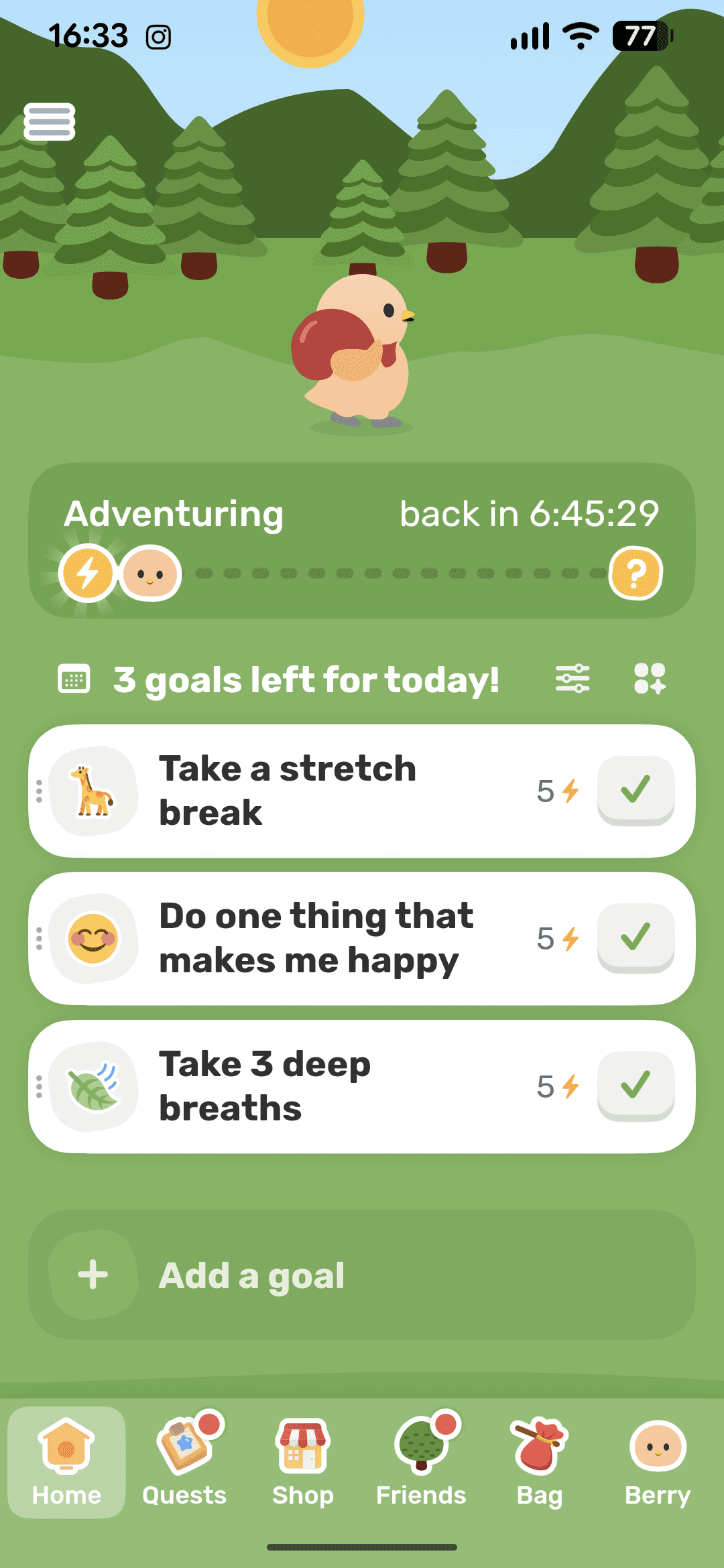
I have decided to make Finch my top recommendation for 2026 because it understands that habit-building should be about positive feedback, not the fear of broken streaks. It removes the anxiety of negative feedback.
Instead, Finch shifts the focus from maintaining a number to caring for a companion (a cute bird). When you complete your habits, your bird gains the energy to go on adventures and grow. Finch creates a safe space where motivation comes from affection rather than obligation. It’s lightweight and fun.
Let me know which app you choose and how it works for you. Have a great 2026!
I should add the Japanese app Minchalle to this list too. From Sony spin off A10 Studios it works by putting together teams of 5 people with the same health goals to support each other. Read more in our blog post here: https://gamificationplus.uk/health-gamification-diabetes-minchalle-case-study/